%20Copy.png)
expert talks
Insights from Leading Surgeons
Watch expert talks and discussions on our latest
research and techniques in cranial stabilization.
Scientific Publications & Articles
latest scientific findings
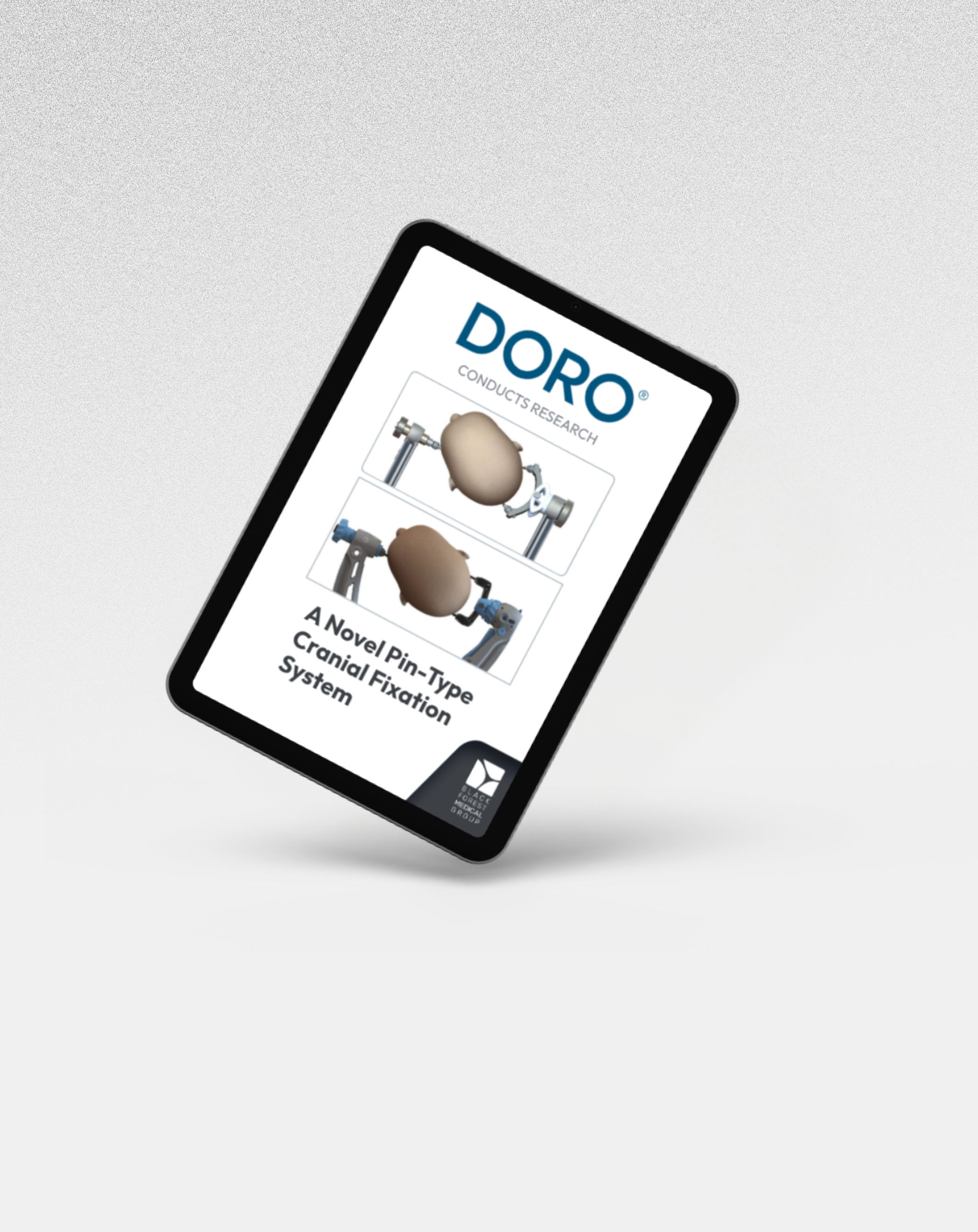
A Novel Cranial Fixation System
Through differentiated tip geometries and a two-pin rocker, the novel cranial fixation system significantly improves mechanical fixation stability, reducing slippage rates by up to 51% and neuronavigation displacement by 44% under clinically relevant loads in wetlab conditions.
Scientific article
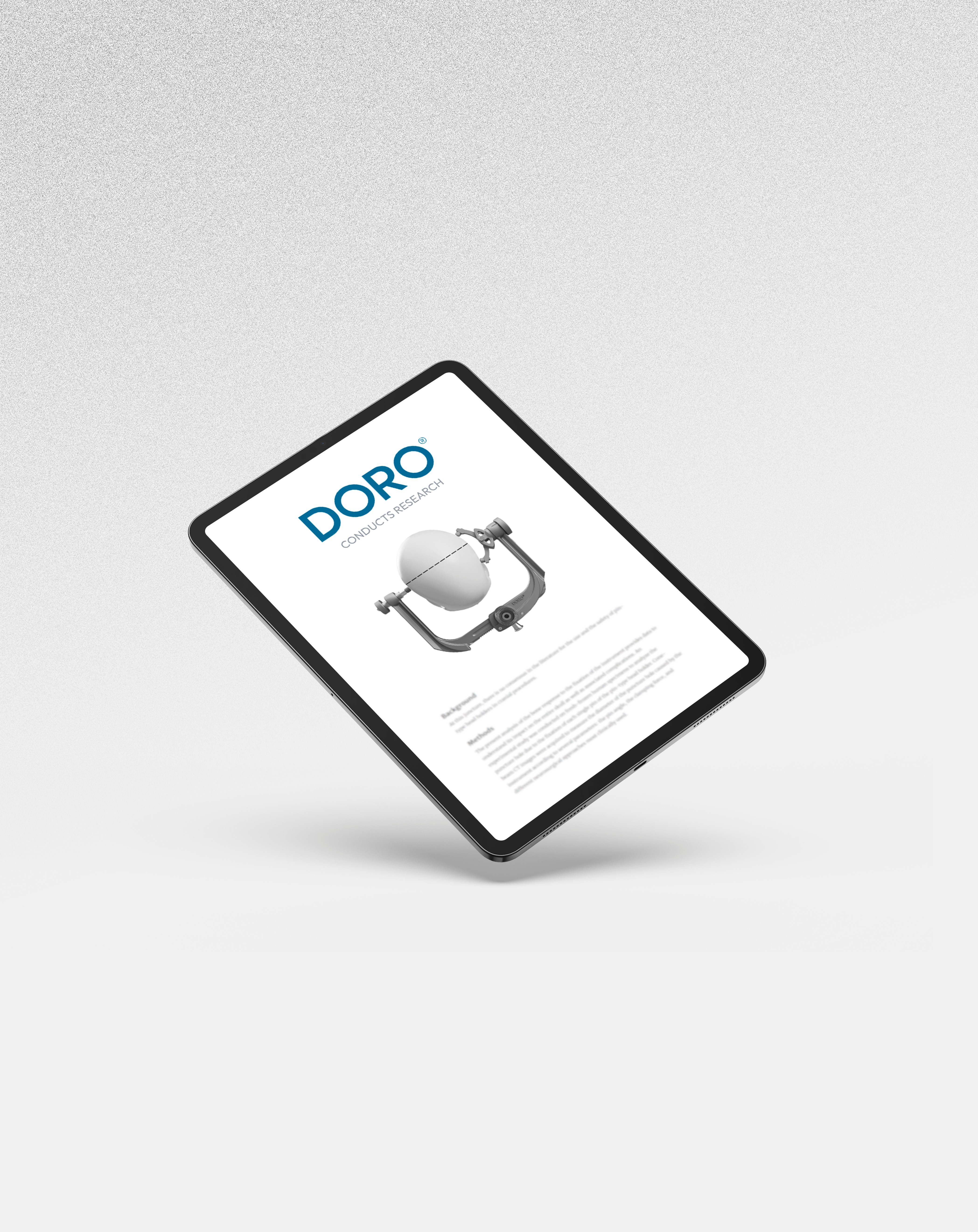
Evaluation of Pin Penetration Depths in Head Fixation
The study measures skull-pin penetration in three-point head fixation and shows that adjusting pin angles can balance depth and therefore reduce fracture risk.
February 27, 2024
Scientific article
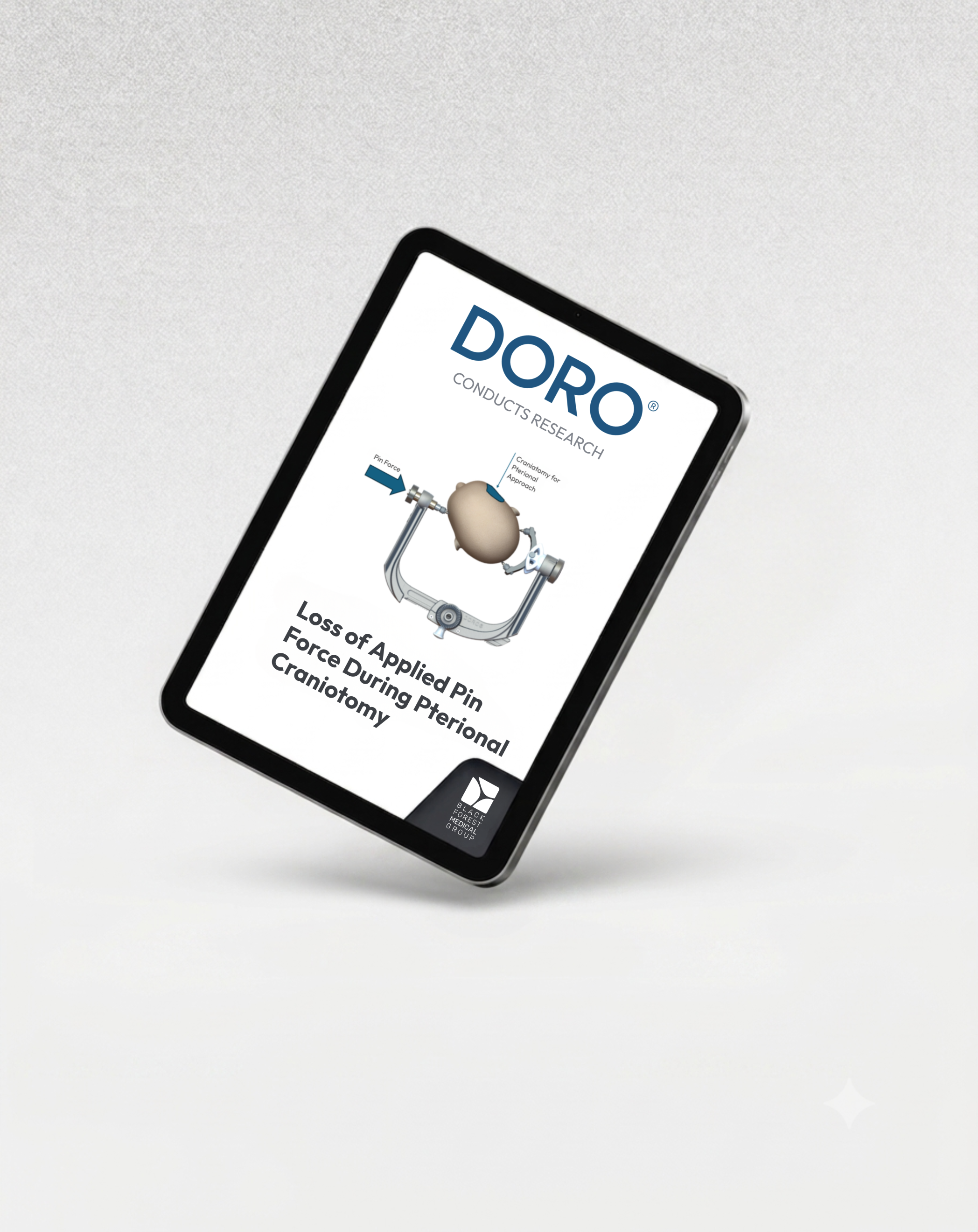
Loss of Applied Pin Force
Real-time sensor data revealing significant intraoperative pin force reduction and its impact on the stability of skull clamps.
February 27, 2026

Scientific article
How Cranial Bones Respond to Head Fixation Devices
The study examines how different human skull bones respond to pressure from pin-type head fixation devices, comparing their strength and deformation to assess fixation stability and risk of damage.
January 29, 2021
Stay at the Forefront of Research
Receive latest insights and research breakthroughs before their official release.
Techniques for Safer Pinning
Improve Accuracy and Efficiency in Every Procedure
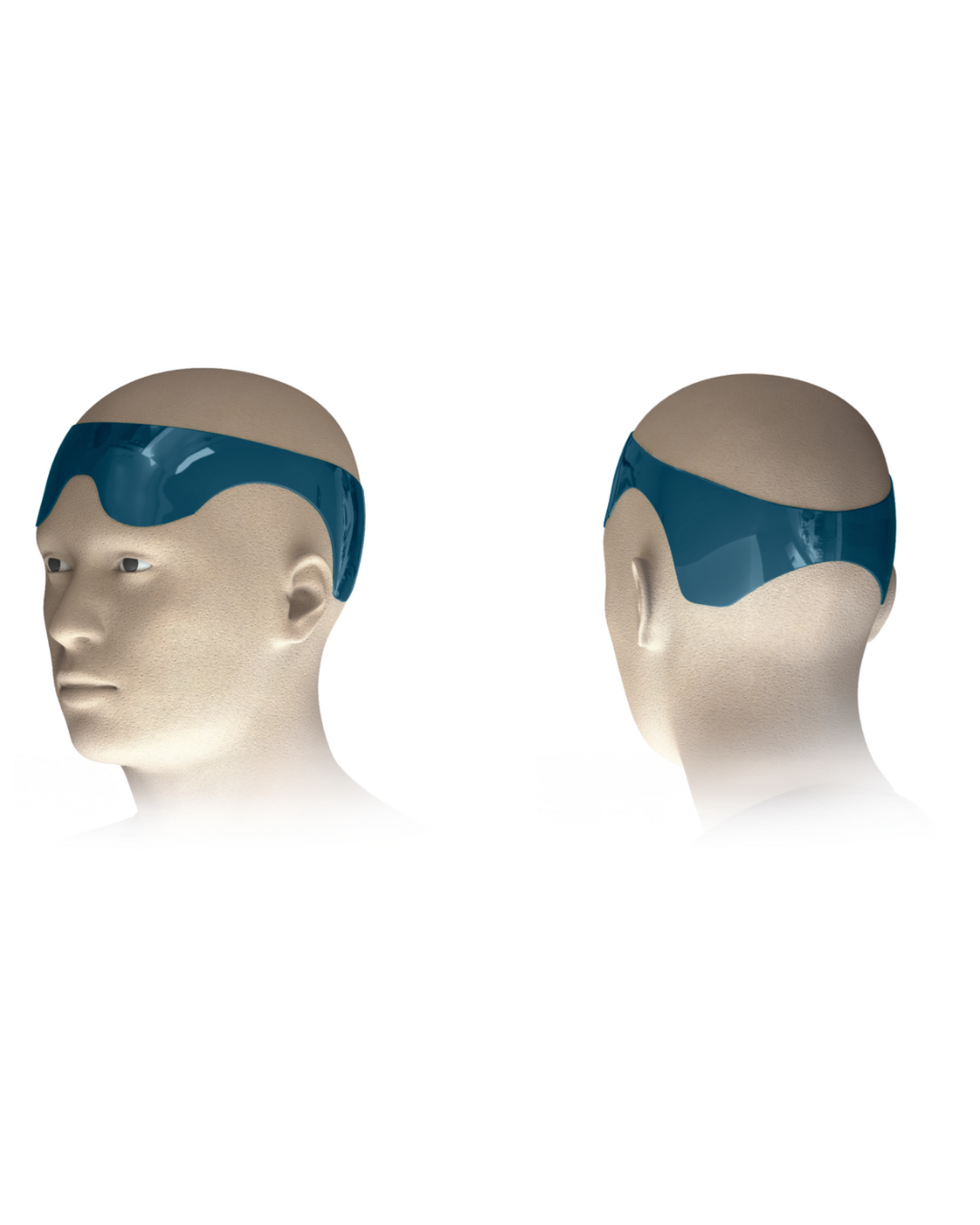
Photo Source
Illustration: grabcad.com/library/generic-human-head-and-body-step-1, Head_Dummy_LicenceOptional.txt, John C Brown, blog.discoverthat.co.uk/
Pinning Zone based on: Neurosurgery, Inselspital Bern. Raabe A., Meyer B., Schaller K., Vajkoczy P., Winkler PA. The Craniotomy Atlas. Stuttgart: Thieme. 2019. doi: doi.org
Pinning Zone based on: Neurosurgery, Inselspital Bern. Raabe A., Meyer B., Schaller K., Vajkoczy P., Winkler PA. The Craniotomy Atlas. Stuttgart: Thieme. 2019. doi: doi.org
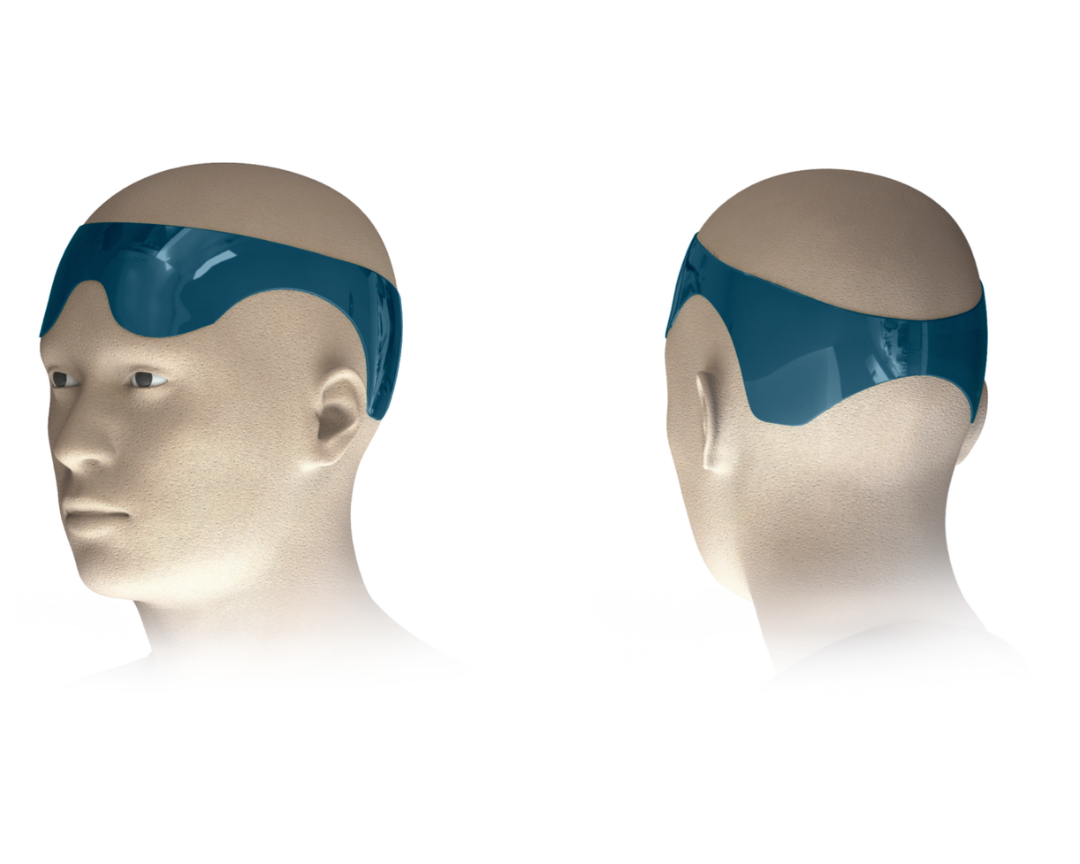
Safe Pinning Zone
Securely position the three pins within the designated safe pinning zone.
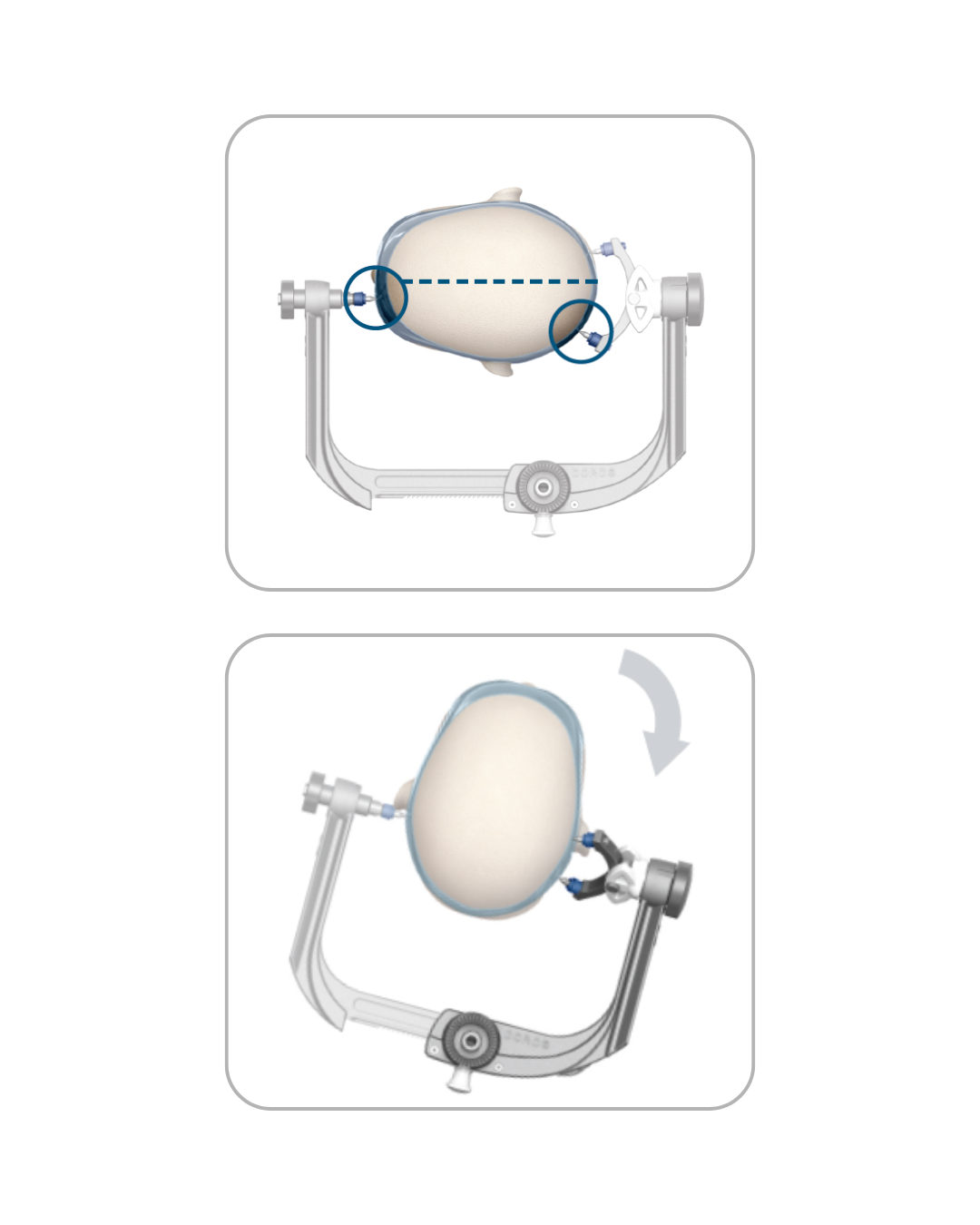
Pin and Skull Clamp Positioning
Position two pins below the equator, keep the skull clamp horizontal if possible, and lower the two-pin side when turning the skull clamp.
Tab 2
Recommended Pinning Steps
Developed from extensive clinical experience and surgeon insights, our poster summarizes our recommended pinning steps for consistent outcomes. Download the full application overview on the right.